
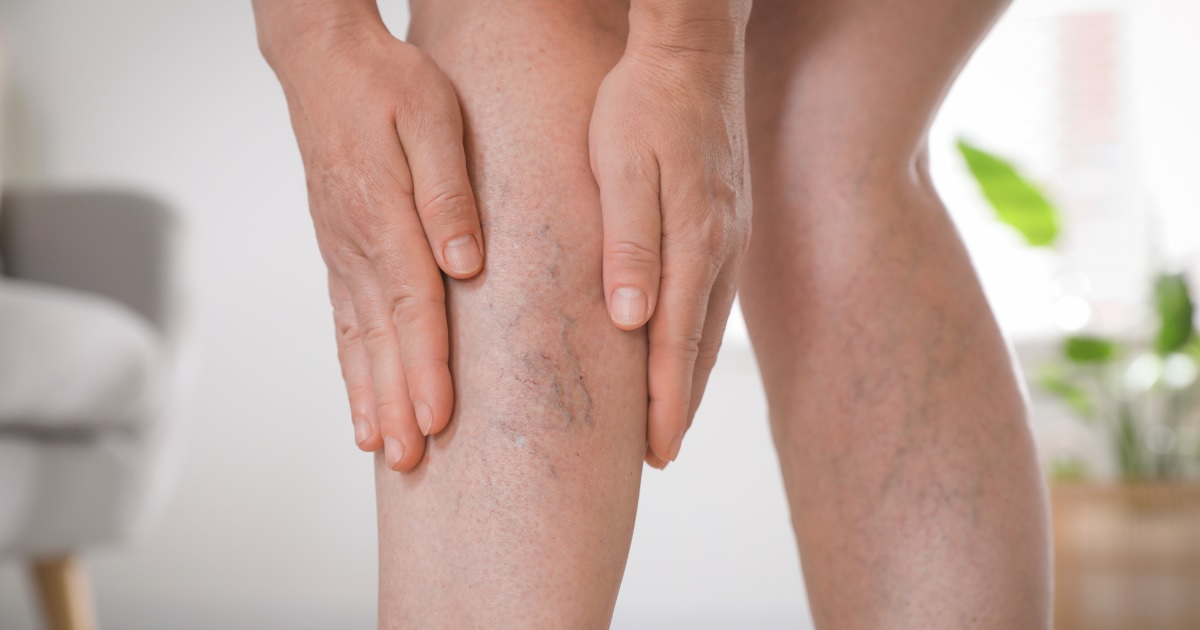
For many professionals who spend their days either standing behind a desk or sitting in a corporate office for eight hours a day, leg fatigue is often dismissed as a natural byproduct of aging or a long workday. You might notice a dull ache in your calves, a feeling of “heaviness” that makes walking difficult by 5:00 PM, or the appearance of small, spider-web veins on the surface of the skin.
However, these are rarely just cosmetic concerns. They are often the primary indicators of Chronic Venous Insufficiency (CVI), a condition where the valves in the leg veins fail to push blood back up toward the heart, causing fluid to pool in the lower extremities. If left unaddressed, this progression can lead to skin discoloration, ulcers, and significantly decreased mobility.
Recognizing the Warning Signs Before They Escalate
The transition from “tired legs” to a medical condition is often subtle. Because the symptoms develop gradually, many people adapt to the discomfort, not realizing that their circulatory system is struggling.
The “End-of-Day” Swelling
One of the most concrete signs of venous issues is edema, or swelling, specifically around the ankles and lower calves. If your shoes feel tighter in the evening than they did in the morning, it is a sign that fluid is leaking into the surrounding tissues due to high venous pressure.
Skin Texture and Color Changes
As CVI progresses, the skin may undergo visible changes. You might notice:
- Hyperpigmentation: A brownish or reddish discoloration around the ankles.
- Dermatitis: Itchy, dry, or flaky skin that doesn’t respond to traditional moisturizers.
- Varicosities: Bulging, twisted veins that feel rope-like to the touch.
The Sensation of “Restless Legs”
While often confused with sleep disorders, the urge to constantly move your legs or a tingling sensation in the calves is frequently linked to blood pooling. When the veins cannot efficiently return blood to the heart, the resulting pressure triggers these neurological signals.
Practical Strategies for Managing Leg Health
Managing venous health requires a combination of lifestyle adjustments and professional intervention. While home remedies can provide temporary relief, they do not fix the underlying valve failure.
Immediate Lifestyle Modifications
For those in the early stages of discomfort, these habits can reduce the load on the venous system:
- Strategic Elevation: Elevating your legs above the level of your heart for 15 minutes three times a day helps gravity move pooled blood back toward the torso.
- Movement Breaks: If you work a sedentary job, set a timer for every 60 minutes to perform calf raises or a brief walk. This engages the “calf muscle pump,” which is essential for venous return.
- Compression Therapy: Medical-grade compression stockings apply targeted pressure to the ankles and calves, preventing fluid from accumulating in the tissues.
When to Seek Professional Intervention
Lifestyle changes manage symptoms, but they do not cure the disease. When swelling becomes persistent or skin changes appear, it is time to consult vein specialists Utah to determine the extent of the valve damage.
Modern diagnostics, such as duplex ultrasound, allow specialists to map the blood flow in your legs and identify exactly where the reflux is occurring. This removes the guesswork and ensures that treatment is targeted toward the source of the problem rather than just the visible surface veins.
Modern Treatment Options: Moving Beyond Surgery
A decade ago, treating venous insufficiency often meant invasive surgeries, long hospital stays, and weeks of downtime. Today, the approach has shifted toward minimally invasive procedures that allow patients to return to work almost immediately.
Endovenous Ablation
This is the gold standard for treating larger varicose veins. Using thermal energy (laser or radiofrequency), the specialist seals the malfunctioning vein. The body then naturally reroutes blood flow to healthier, functioning veins, eliminating the pressure and the associated pain.
Sclerotherapy
For smaller spider veins or reticular veins, sclerotherapy involves injecting a solution that causes the vein to collapse and eventually be absorbed by the body. This is primarily used for aesthetic improvement and the relief of localized itching or aching.
The Long-Term Outlook
The goal of modern vein treatment is not just to improve the appearance of the legs, but to restore the quality of life. By correcting the venous reflux, patients typically report an immediate decrease in leg heaviness and a significant reduction in the risk of developing venous ulcers. Prioritizing this health check now prevents the need for more aggressive interventions in the future.
