
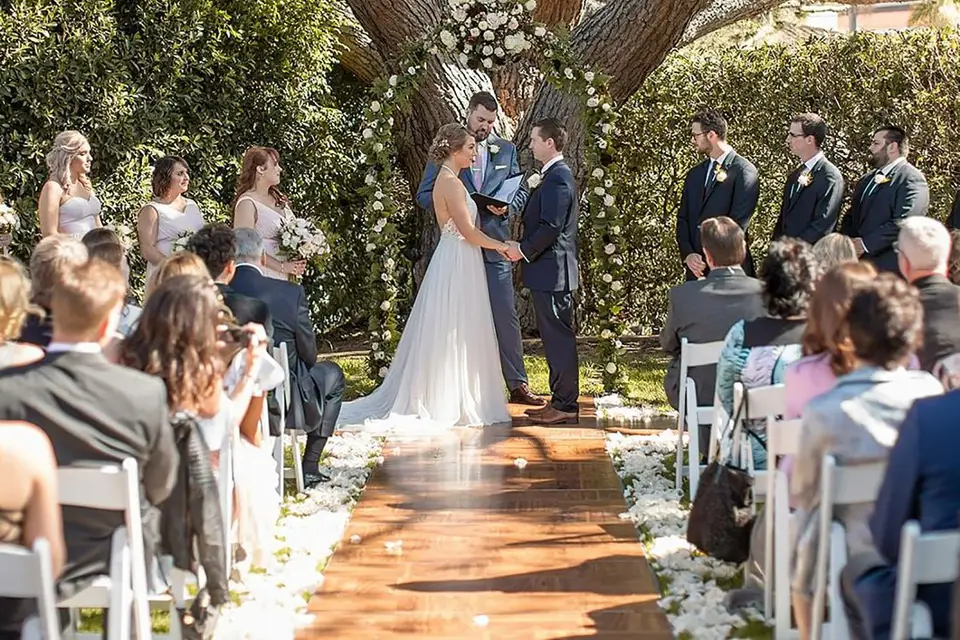
Your wedding vision depends entirely on the physical infrastructure of the venue. You can spend months perfecting a mood board, but if the chairs arrive stained, the tents leak during a sudden Wasatch Front rain shower, or the linens are the wrong shade of ivory, the aesthetic collapses instantly. The risk isn’t just a visual mismatch; it is the operational stress of dealing with missing inventory or late deliveries while you are trying to get ready for your ceremony.
Choosing a rental partner in Utah requires more than a quick Google search for the lowest price. Because of the state’s diverse terrain—from high-altitude mountain resorts to urban Salt Lake City lofts—the logistics of delivery and the durability of the equipment vary wildly. To ensure your day runs smoothly, you need a vetting process that prioritizes reliability and inventory quality over a flashy Instagram portfolio.
Evaluating Inventory Quality Beyond the Portfolio Photos
Digital galleries are curated to show the absolute best examples of a company’s stock. A single photo of a gold Chiavari chair does not tell you if the other 150 chairs in their warehouse are chipped, wobbly, or mismatched. To verify reliability, you must ask about the age of the inventory and the company’s replacement cycle. A reliable provider will be transparent about how often they rotate their stock and what their quality control process looks like before an item leaves the warehouse.
Consider the difference between “white” and “off-white” linens. In a photo, they look identical, but under the bright Utah sun or professional event lighting, a clash in tones can be jarring. Requesting physical swatches or visiting a showroom is the only way to ensure the fabric weight and color meet your expectations. If a company refuses to provide samples or insists that “photos are accurate enough,” it is a red flag regarding their attention to detail.
For example, imagine a couple planning an outdoor wedding in Park City. They select a specific style of rustic wooden cross-back chairs based on a website photo. Upon delivery, they find that 20% of the chairs have deep scratches or uneven legs. This happens when a company prioritizes volume over maintenance. A high-quality rental house employs a dedicated team to inspect, clean, and repair every piece of furniture after it returns from a previous event, ensuring consistency across the entire order.
Vetting Logistics and Delivery Capabilities for Utah Terrain
Utah’s geography presents unique challenges. A company comfortable in a suburban warehouse may struggle with winding canyon roads or remote mountain access. Confirm the company possesses the necessary fleet—such as 4WD trucks and specialized loading equipment—for your specific location. Delivery windows should be narrow and guaranteed, not broad ranges.
The logistics conversation must also cover the “strike” or pickup process. A reliable company provides a clear plan for dismantling tents and collecting linens so they don’t interfere with guest departures or trigger venue cleanup fees. Ask about their experience with your specific venue; a company familiar with the site will already understand the loading dock quirks and preferred entry points.
For example, at a remote ranch in Heber Valley, a company that ignores gravel roads or the lack of paved staging may arrive hours late or get stuck. A professional provider pre-surveys the site or asks targeted questions about the terrain to ensure the delivery team can move heavy equipment across unpaved ground without damaging the property.
Analyzing the Fine Print of Rental Contracts and Insurance
The contract is where the true nature of a rental company’s reliability is revealed. You should look for explicit language regarding substitutions. In the event that a specific item is damaged in transit or unavailable, does the company provide an upgrade for free, or do they simply send a “similar” item that might not fit your aesthetic? A reliable partner will have a clear policy on how discrepancies are handled and how refunds are processed for missing or damaged items.
Insurance and liability are equally critical. When you hire utah wedding rentals, you need to know who is responsible if a tent pole collapses or if a guest is injured by a faulty piece of equipment. Ensure the company carries comprehensive general liability insurance and ask for a certificate of insurance (COI) if your venue requires it. If a company avoids these questions or suggests that “it’s never been an issue before,” they are operating with a level of risk that you should not inherit.
Furthermore, pay close attention to the “damage waiver” fees. Some companies charge a flat percentage to cover minor wear and tear, while others bill for every single scratch. A transparent company will provide a clear list of what constitutes “normal wear” versus “damage.” This prevents the post-wedding stress of receiving an unexpected bill for a few stained napkins or a slightly scuffed table leg, allowing you to focus on your honeymoon rather than disputing invoices.
Coordinating with Planners to Ensure Operational Sync
If you are working with a wedding planner, the rental company should be a strategic partner. Since the planner is on-site during setup, they are the first to notice incorrect table counts or wrinkled linens. A reliable rental company welcomes this partnership, providing the planner with a detailed packing list and a direct line to the delivery driver.
This coordination prevents the “last-minute scramble.” For instance, a planner might realize that wind speeds in a specific Utah valley require heavier tent weights than quoted. A reliable provider will be flexible enough to adjust the order on the fly and proactive enough to suggest safety equipment based on seasonal weather patterns.
For example, if a couple moves their ceremony from an indoor space to a patio due to guest count changes, the planner must quickly secure additional chairs and a larger rug. A professional rental company can pivot quickly, confirming stock availability and adjusting the delivery route in real-time. This agility separates a basic warehouse from a professional event services provider.
Establishing a Final Confirmation Timeline
The final weeks leading up to the wedding are when the most errors occur. To prevent this, establish a rigid confirmation timeline with your rental provider. This should include a final inventory check 14 days prior to the event and a delivery window confirmation 72 hours before the start. This ensures that any discrepancies in the guest count or changes in the floor plan are accounted for before the equipment is loaded onto the truck.
Avoid the temptation to make “verbal” changes over the phone. Every adjustment—whether it is adding two more cocktail tables or swapping out the color of the napkins—must be documented in a revised quote or an email thread. This creates a paper trail that protects you from being overcharged and ensures the warehouse team is working from the most current version of your order.
Finally, request a “load-out” list. This is a document that lists every single item being sent to the venue. When the truck arrives, your planner or a designated family member can check off the items as they are unloaded. This immediate verification ensures that if a crate of glassware is missing, the company can rectify the mistake before the guests arrive, rather than discovering the shortage ten minutes before the first course is served.
