
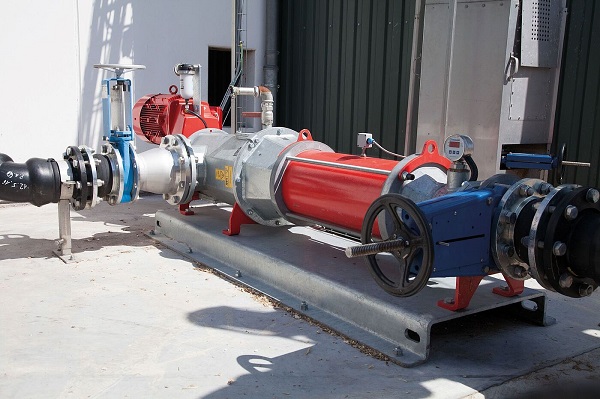
Industrial systems rely heavily on efficient fluid movement. Whether transferring thick oils, chemicals, slurries, or high-temperature liquids, pumps are critical components that keep production lines operating smoothly. As industries evolve and machinery becomes more specialized, pump technology must also adapt to meet new challenges.
Two pump technologies widely used across industrial sectors are the progressive cavity pump and the high temp oil pump. Each of these pump types is designed to handle specific fluid characteristics and operating conditions. Understanding how these pumps work and why they are important can help engineers and industry professionals select the right equipment for demanding applications.
The Importance of Pump Systems in Industrial Processes
Industrial processes often depend on the continuous movement of fluids. In sectors such as manufacturing, chemical processing, energy production, and wastewater treatment, pumps play a vital role in transferring materials safely and efficiently.
The complexity of these fluids varies significantly. Some liquids may be extremely viscous, while others must be moved under high temperature conditions. In such cases, conventional pumping systems may not perform effectively.
This is where specialized solutions like a progressive cavity pump or a high temp oil pump become essential. These pumps are designed to operate reliably under conditions where traditional pumps might struggle.
Selecting the right pump technology ensures stable production, reduces downtime, and improves operational efficiency.
Understanding the Progressive Cavity Pump
A progressive cavity pump is a type of positive displacement pump designed to move fluids through a sequence of sealed cavities. The pump typically consists of a helical rotor rotating inside a stator. As the rotor turns, cavities are formed that move fluid steadily through the pump.
This design offers several advantages for handling complex fluids. Because the pump moves liquids in a smooth and controlled manner, it is ideal for transferring viscous materials or fluids containing solid particles.
Industries that frequently use progressive cavity pumps include:
- Wastewater treatment facilities
- Food and beverage processing plants
- Oil and gas operations
- Chemical manufacturing
- Agricultural processing
The ability of the progressive cavity pump to maintain a constant flow rate makes it particularly useful in applications requiring precise fluid handling.
Why Progressive Cavity Pumps Are Valuable
One of the most significant benefits of a progressive cavity pump is its ability to handle a wide range of fluid viscosities. From thin liquids to thick slurries, this pump can move materials with minimal turbulence.
Key advantages include:
Consistent Flow
Unlike some pump types that rely on high-speed rotation, a progressive cavity pump provides steady flow regardless of pressure fluctuations.
Gentle Fluid Handling
Because the pump moves fluid in a controlled manner, it reduces shear stress. This makes it ideal for delicate materials such as food products or chemical compounds.
Ability to Handle Solids
Fluids containing suspended solids can be transported without clogging or damaging the pump.
These capabilities make the progressive cavity pump a versatile tool across numerous industries.
The Role of High Temperature Oil Pumps
In many industrial applications, fluids must be transferred at elevated temperatures. Thermal oils, lubricants, and other high-temperature fluids are commonly used in heating systems and manufacturing processes.
A high temp oil pump is specifically designed to handle these extreme conditions. Unlike standard pumps, which may fail when exposed to high heat, these pumps are built with materials that resist thermal expansion and maintain structural integrity.
High temperature oil pumps are often used in industries such as:
- Power generation
- Asphalt production
- Chemical processing
- Industrial heating systems
- Petrochemical facilities
The ability of a high temp oil pump to operate safely at elevated temperatures ensures that critical systems remain functional without overheating or equipment failure.
Challenges of Pumping High Temperature Fluids
Handling high temperature fluids presents several engineering challenges. Heat can affect the viscosity of liquids, cause materials to expand, and accelerate wear on mechanical components.
For this reason, pumps designed for high-temperature environments require specialized construction and careful engineering.
A high temp oil pump often incorporates heat-resistant materials, specialized seals, and reinforced components that allow it to perform under intense thermal conditions.
In some systems, high-temperature fluids must also be pumped through complex networks of pipes and equipment. Reliable pump performance is essential for maintaining proper heat distribution and preventing system breakdowns.
Choosing the Right Pump for the Application
Selecting the appropriate pump type depends on the characteristics of the fluid and the requirements of the industrial process.
Engineers typically evaluate several factors before choosing between pump technologies.
These factors may include:
- Fluid viscosity
- Operating temperature
- Presence of solid particles
- Flow rate requirements
- Pressure conditions
For example, applications involving thick fluids or materials containing solids may benefit from a progressive cavity pump due to its steady flow and clog-resistant design.
On the other hand, systems involving extremely hot fluids may require a high temp oil pump capable of handling elevated temperatures safely.
Careful evaluation ensures that pump systems operate efficiently and reliably within their intended environments.
Maintenance and Reliability
Proper maintenance is essential for ensuring the long-term performance of industrial pump systems. Regular inspections help identify potential issues before they cause equipment failures or production interruptions.
Maintenance practices often include:
- Monitoring pump performance and pressure levels
- Inspecting seals and mechanical components
- Checking for unusual vibrations or noises
- Replacing worn parts as necessary
For systems using a progressive cavity pump, maintenance may involve inspecting the rotor and stator components to ensure proper alignment and wear resistance.
In high-temperature systems, maintaining the structural integrity of a high temp oil pump is especially important to prevent leaks or mechanical damage.
Routine maintenance extends equipment lifespan and helps maintain operational safety.
Advancements in Pump Technology
Modern engineering innovations continue to improve pump performance and reliability. Advances in materials science and manufacturing techniques have allowed pumps to operate more efficiently in challenging environments.
Improved designs now enable both the progressive cavity pump and the high temp oil pump to handle more demanding fluid conditions while reducing energy consumption.
In addition, digital monitoring technologies are increasingly being integrated into industrial pump systems. These tools allow operators to track performance data in real time, helping detect issues before they escalate into major problems.
These technological developments support industries in maintaining high productivity while minimizing maintenance costs.
Pumps are essential components of modern industrial systems, enabling the efficient movement of fluids across a wide range of applications. Specialized technologies such as the progressive cavity pump and the high temp oil pump provide solutions for handling challenging materials and extreme operating conditions.
While progressive cavity pumps excel at transferring viscous fluids and materials containing solids, high-temperature oil pumps are designed to operate reliably in environments where heat resistance is critical.
By selecting the right pump technology and maintaining it properly, industries can ensure smooth operations, reduce downtime, and improve overall efficiency in fluid handling processes.
